Dominic Mancini did not come to college planning to join a fraternity. By his own account, he was “heavily against” the idea. Four years later, the Boise State University senior and Delta Sigma Phi member has served as Interfraternity Council President, represented more than 3,000 fraternity and sorority students in student government, and earned a seat as the only undergraduate on his fraternity’s National Grand Council.
“Fraternity gave me the most important thing in a man’s life: purpose,” Mancini said.
Building structure from the ground up
Few campuses have grown like Boise State. In 15 years, its fraternity and sorority community has expanded from roughly 200 members to more than 3,000. When Mancini stepped into council leadership, much of the structure that larger communities take for granted did not yet exist.
He set out to build it. Mancini established working relationships with the President’s Office, the Dean of Students, the Panhellenic and Multicultural Greek Councils, Health and Wellness, Housing, Career Services, Ethics and Compliance, Ada County Victim Services, and more.
The most significant was a partnership with the Boise Police Department. What began as a new and loosely defined relationship grew into a lasting framework built on education, safety, and mutual trust. The partnership has strengthened the community’s accountability processes, policies, and bylaws, and it has earned national recognition. Mancini has since extended the partnership to the Panhellenic community and now helps other campuses build similar relationships with their local law enforcement.
Winning with the community behind him
Mancini’s student government seat is elected entirely by the fraternity and sorority community, and in one of the most competitive student government races in the country, that community delivered. Fraternity and sorority students made up 46% of all votes cast.
Members staffed tables, shared campaign content, wore team buttons and stickers, and opened their chapter meetings to the campaign. Some volunteered without running for anything themselves.
His advice for other candidates is simple. “Students will vote for who they trust, are comfortable with, who advocates the most, and who they see the most on campus,” he said. “Be nice, show face, smile, and go fight for your win.”
Leading on a national stage
Mancini’s service has taken him well beyond Idaho. He spent a week in Washington, D.C., for the NIC’s Capitol Hill Visits program and Delta Sigma Phi’s first Civic Engagement program, and he serves on a national IFC advisory board alongside seven other fraternity leaders.
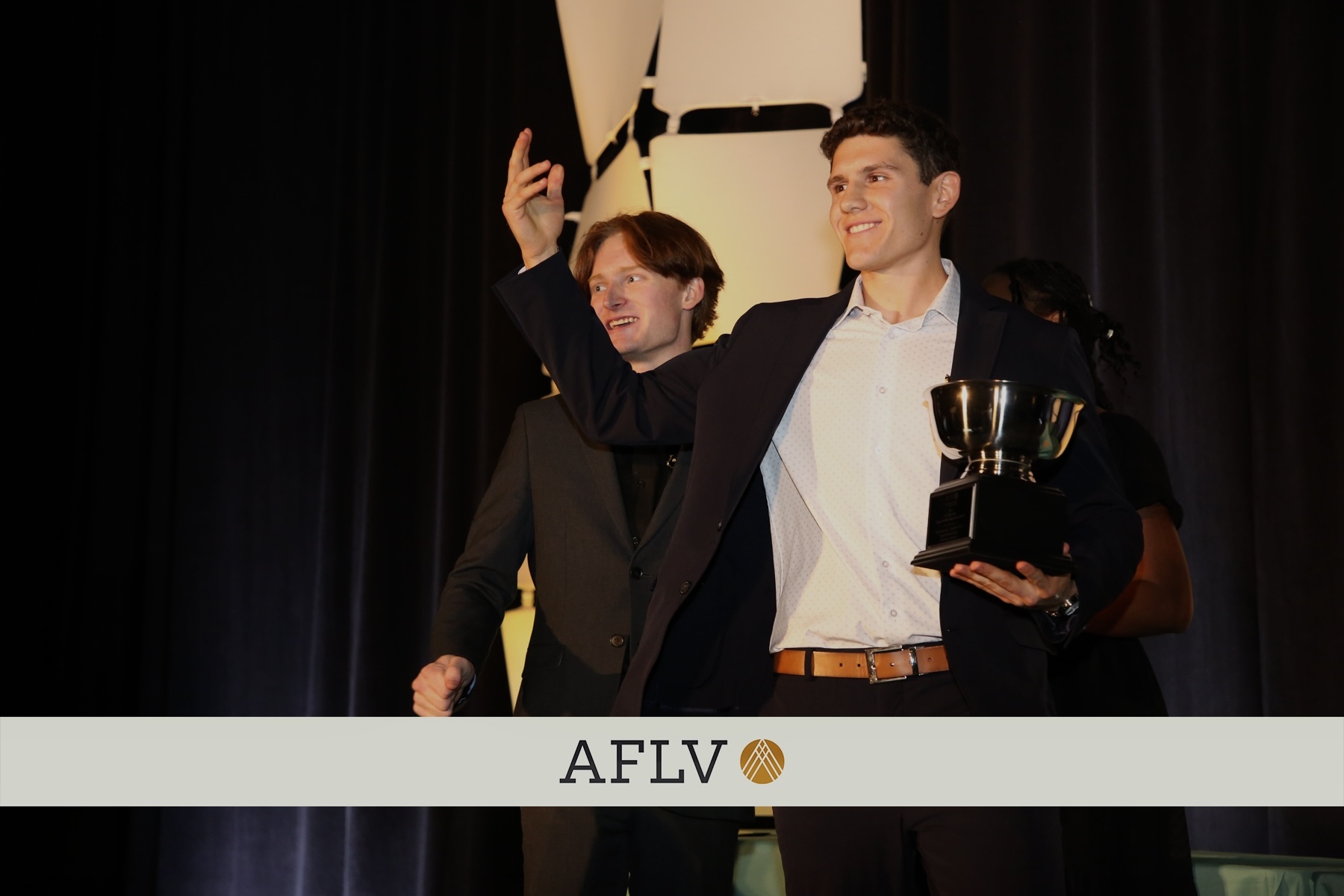
His work has earned the NIC Undergraduate Award of Distinction, Delta Sigma Phi’s Outstanding Undergraduate Award, the AFLV West Change Making Undergraduate Award, and Boise State’s Emerging Leader Award.
Still, he is quick to point elsewhere. “It was never about the titles, achievements, or awards,” he said, “but the personal growth I have had and the impact I have been able to make.”
Service over status
For Mancini, student government is an obligation, not a platform. “Your position does not give you authority over others, but it gives you an obligation to serve others,” he said.
His advice to younger leaders: say yes to the opportunities that intimidate you, but choose carefully. “Do less things greater, rather than more things worse.”
After graduation, Mancini plans to keep growing his businesses while continuing to serve the fraternity community.